

The Ancistrus Blog brings together news and specialist articles about bristlenose catfish of the genus Ancistrus. It features information about new L numbers, described and undescribed species, reports from natural habitats in South America, and practical tips on keeping and breeding them in aquariums. The blog articles supplement the species list on Ancistrus.at and the standard work “Bristlenose Catfishes: The Plecos of the Genus Ancistrus” with current information, background knowledge, and insights directly from the hobby.
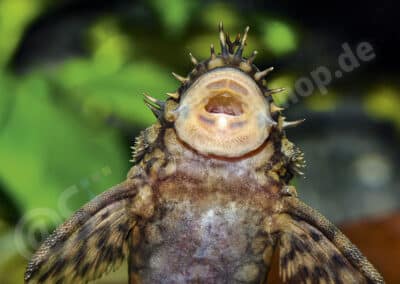
New on Ancistrus.at: What are Ancistrus catfish?
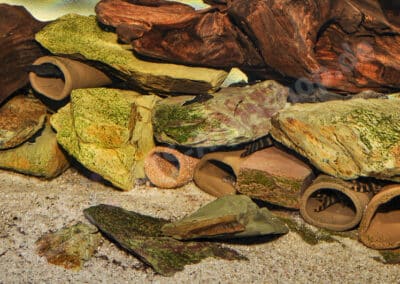
5 common mistakes when keeping Ancistrus in a community tank

How to sex of my bristlenose Catfish?
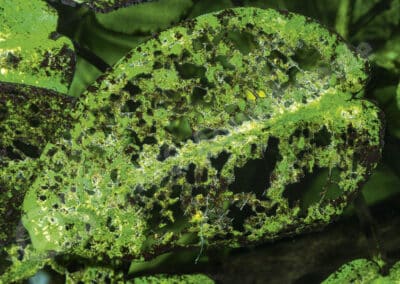
Ancistrus and Plants – why some Catfish Go for Plants
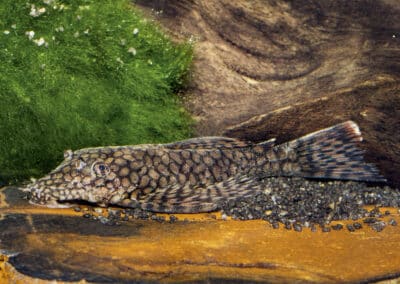
Four New L-numbers for Long-Known Ancistrus Species
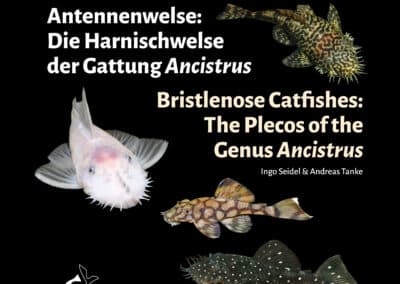
The wait is over: our Ancistrus book will be published in May 2025!
Bristlenose catfish of the genus Ancistrus are among the most important armored catfish in freshwater aquaristics. Many aquarists know them as robust “bristlenose catfish” in community tanks, while others keep specialized species, rare locality variants, or fish with their own L-number. With the Ancistrus Blog, Ancistrus.at becomes the go-to resource for anyone looking for more than just a general overview and who truly wants to delve into these fascinating fish.
The blog regularly publishes news about bristlenose catfish: new scientific descriptions, revised genus or species concepts, exciting reports of discoveries in South America, as well as observations and experiences from well-maintained aquariums. Many articles tie in directly with the bilingual standard work “Bristlenose Catfishes: The Plecos of the Genus Ancistrus” and explore individual topics in greater depth that could only be touched upon in the book. This ensures that the information on the genus remains up-to-date and comprehensible even after going to press.
A key focus of the blog is L-numbers and undescribed Ancistrus forms. In practice, animals regularly appear in trade and among importers that cannot be easily assigned to a known species. They often initially bear only an L-number or provisional designations such as “Ancistrus sp. from the Rio Xingu”. In the Ancistrus Blog, such forms are presented, documented with photos, and – where possible – linked with locality data, literature references, and cross-references to the Species List of the Genus Ancistrus. There, described species can be specifically displayed using the filter “described species”, undescribed forms using “undescribed species”, and all L-numbers using “L-number”.
There are also articles dealing with the keeping and care of Ancistrus in aquariums. Many fundamental questions arise time and again: Which water values are suitable for certain species? How much current do bristlenose catfish actually need? What role do roots, caves, and foliage play in the setup? Which feedstuffs meet the needs of predominantly herbivorous species without excessively polluting the water? The blog addresses such questions in a practical manner, explaining them using concrete examples and linking them to observations from natural habitats. If you are specifically looking for information on posture, you can find relevant articles using the “Keeping” filter.
Another section is devoted to breeding Ancistrus. Many antenna catfish are considered “easy to breed,” but the exact process of courtship, egg laying, and brood care varies significantly depending on the species, cave type, and aquarium environment. The blog describes successful breeding approaches, discusses typical problems encountered when raising young fish, and highlights the special characteristics of individual species. Readers who are specifically looking for breeding reports can use the “Breeding” filter to select relevant articles and compare their own experiences with the published examples.
The Ancistrus Blog also sees itself as an interface between specialist literature, scientific research, and hobbyists. When new work on Ancistrus appears, such as revisions of species groups, descriptions of new species, or genetic studies, it is presented in the blog and translated into understandable language. At the same time, observations from the hobby flow back: color variations, special eating habits, unusual behavior, or rare imported forms can provide important information that has not yet been taken into account in scientific literature. This connection creates a vivid picture of the genus that goes far beyond the usual brief profiles.
Closely linked to the blog is the species list at Ancistrus.at, which contains as complete a record as possible of described species, undescribed forms, and L-numbers. Many blog articles refer to individual entries in this species list, which contains systematic data, size specifications, areas of origin, and photos. Conversely, the blog posts provide additional context: for example, detailed reports on discoveries, comparative photos of similar species, or tips on how best to care for certain species in an aquarium. If you want to find out more about a specific bristlenose catfish, you can easily switch between the profile and background article.
For readers who are just beginning to learn about bristlenose catfish, the blog is a good place to start, providing an introduction to general topics related to the species. The “General” filter can be used to select introductory articles on the Ancistrus genus, L numbers, typical characteristics, and basic care questions. Such articles help to organize the wealth of information and build up a solid foundation of knowledge step by step.
Advanced aquarists, breeders, and experts, on the other hand, will find primarily current updates and detailed information in the Ancistrus Blog, for example, on rare variants, new imports, or changes in scientific nomenclature. These can be easily filtered via the category “News”. Due to the close connection to the book project and the species list, changes can be promptly addressed and incorporated – an advantage that printed literature alone cannot provide.
In summary, the Ancistrus Blog offers: news about the Ancistrus genus, from new species to updated L numbers; practical articles on keeping, caring for, and breeding antenna catfish in aquariums; background information on habitats in South America and the biology of the animals; and numerous cross-references to the species list and the standard work, which is available from the ATS Aquashop, among others. If you regularly visit the blog or subscribe to the site’s RSS feed, you’ll stay up to date on everything related to brislenose catfish—whether it’s new L numbers, exciting locations, or practical tips for your next breeding project.