

Bristlenose Catfishes: The Plecos of the Genus Ancistrus
On Ancistrus.at, the focus is on the armored catfish genus Ancistrus. This site gathers expert knowledge about Ancistrus catfish – from the systematics of the genus to well-known and rare species, and their habitats in South America.
The focus is on providing as complete a list as possible of species in the Ancistrus genus, with numerous photos and concise profiles (such as Ancistrus claro, the spectacular Ancistrus sp. (L 519) from Bolivia or the well-known blue Ancistrus, Ancistrus dolichopterus) to selected species. This can even be filtered by L-numbers, described species, and undescribed species. This is complemented by current background information, references to new L-numbers, and insights into aquaristic practice.
The goal of Ancistrus.at is to present the diversity of Bristlenose Catfish (Ancistrus) in an understandable way and to offer aquarists a reliable source of information on species, L-numbers, keeping, care and breeding – from the well-known “Common Bristlenose Catfish” to rare specialties.
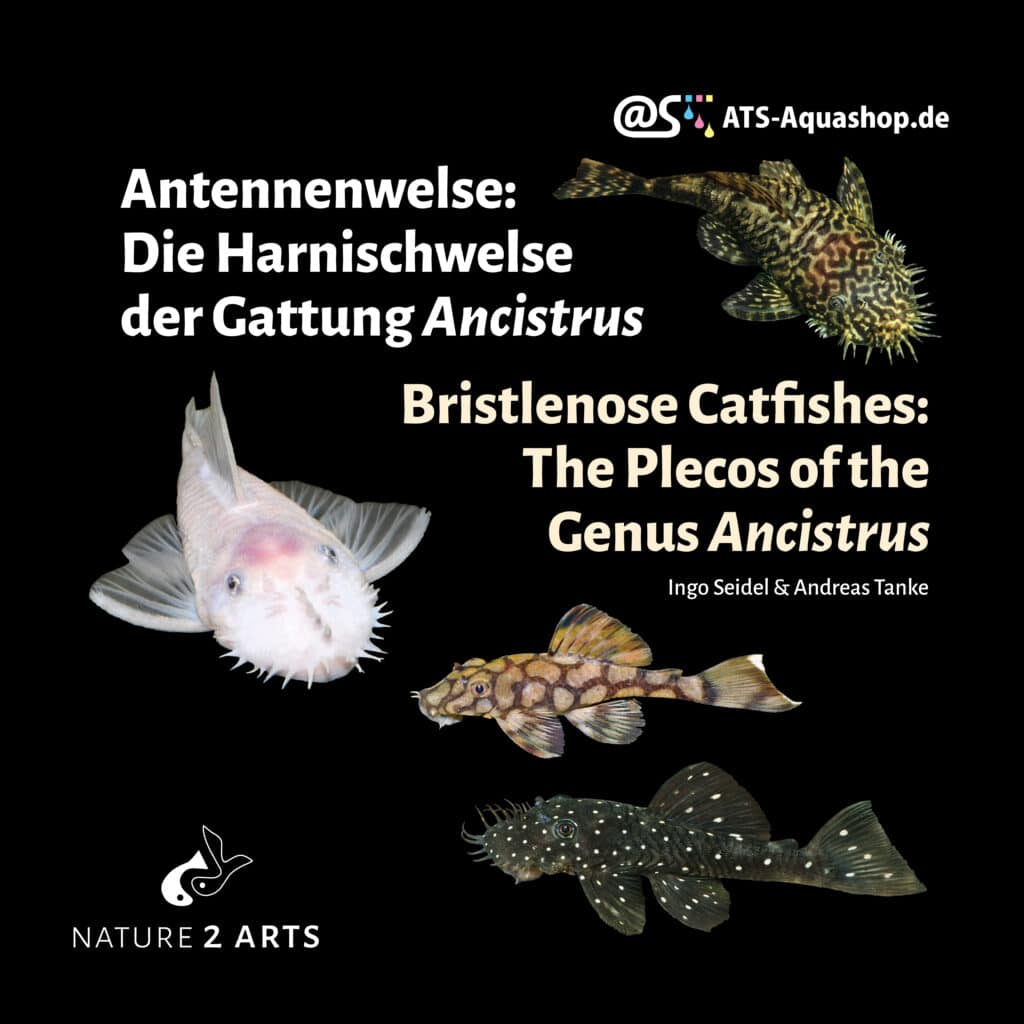
The reference work on bristlenose catfish
Over 600 pages, numerous photos, all described and many undescribed forms of the genus Ancistrus – in German and English. Perfect for beginners and specialists.
News from the Ancistrus blog
New on Ancistrus.at: What are Ancistrus catfish?
5 common mistakes when keeping Ancistrus in a community tank
How to sex of my bristlenose Catfish?
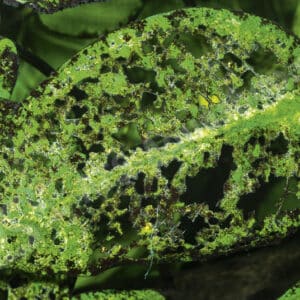
Ancistrus and Plants – why some Catfish Go for Plants
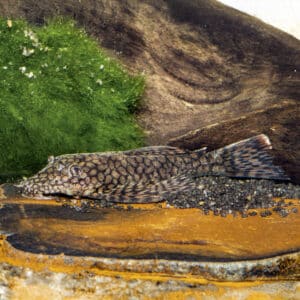
Four New L-numbers for Long-Known Ancistrus Species
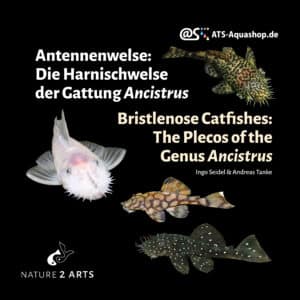
The wait is over: our Ancistrus book will be published in May 2025!
What does Ancistrus.at offer?
Comprehensive species list
Die Artenliste Ancistrus umfasst beschriebenen Arten, unbeschriebenen Formen und bekannte L-Nummern. Sie bietet einen schnellen Überblick über die Vielfalt der Gattung und verlinkt direkt auf ausführliche Artenseiten mit Fotos und Basisdaten zur Haltung im Aquarium.
Brief profiles with practical information
Viele Einträge sind mit Steckbriefen zu Antennenwelsen hinterlegt – inklusive Angaben zu Größe, Aquariengröße, Wasserwerten, Strömung, Verfügbarkeit und typischen Handelsbezeichnungen. So lassen sich Tiere aus dem Handel besser einordnen und mit der passenden Literatur verknüpfen.
Current developments and new L numbers
Im Ancistrus Blog werden Neuigkeiten zur Gattung gesammelt – etwa neue Beschreibungen, frisch eingeführte L-Nummern oder Besonderheiten aus Fachartikeln. So bleibt die Seite auch nach Erscheinen des Buches eine lebendige Wissensquelle rund um Antennenwelse.
Ancistrus in the aquarium – overview of keeping, care, and L numbers
Bristlenose catfish of the genus Ancistrus are among the most commonly kept armored catfish in freshwater aquariums. The “common antenna catfish” and its breeding forms are well known from many community tanks, but there are also numerous other species and L-numbers that are more likely to be kept by specialized enthusiasts.
Many Ancistrus are robust and relatively peaceful fish that thrive and reproduce well in aquariums with suitable water values, sufficient hiding places, and targeted feeding. The key factors are a well-designed structure with roots and caves, stable filtration, and a varied diet that combines plant components with suitable protein sources.
Wer sich näher mit der Haltung, Pflege und Zucht von Antennenwelsen sowie mit der richtigen Zuordnung von Arten und L-Nummern beschäftigen möchte, findet auf Ancistrus.at sowohl eine strukturierte Artenliste als auch viele weiterführende Hinweise zum Standardwerk „Antennenwelse: Die Harnischwelse der Gattung Ancistrus“ von Ingo Seidel und Andreas Tanke. Dieses Buch vertieft die hier angerissenen Themen mit ausführlichen Artenporträts, Fotos und Hintergrundinformationen.